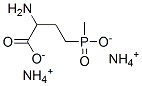
Alberta Express Cloudy days don't provide the photosynthetic activity required for many herbicides, including Group 10 glufosinate . And nights near freezing, followed by days with highs that barely reach 10 C, won't provide high metabolic activity required for best ... and more »
Grainews Group 4 herbicides -- such as clopyralid (in Lontrel) -- tend to be less impacted by cool weather because they are somewhat plant-persistent (that is, are not quickly deactivated) in susceptible species and will remain active in the plant after the ... and more »
Midwest Producer "One of the objectives of that study is to determine the effectiveness of pre and post soybean herbicides for control of glyphosate, glufosinate and imidazolinone-resistant corn volunteers," Jhala added. "We're also examining the dose response of ... and more »
Agri-View According to Purdue University, these include: Select Max, Clethodim (Arrow/Section), Assure II/Targa and Fusilade DX. Activity will be improved with a crop oil concentrate (COC) or methylated seed oil (MSO) plus ammonium sulfate. However, control can ...
agprofessional.com Some ALS-inhibiting herbicides also have activity against marestail, and control is sometimes improved when (if allowed by label) these herbicides are tankmixed with dicamba or 2,4-D. Glufosinate, applied alone or with atrazine in glufosinate-resistant ...
Southeast Farm Press Judging by our research at Jackson and Milan, along with over-sprays last week, we are seeing more burn of both soybeans and cotton with over-the-top herbicide applications. In soybeans it is not uncommon to see 20 to 35 percdent burn with herbicides ...
Journal Gazette and Times-Courier Foliar-applied hydroxyphenylpyruvate dioxygenase (HPPD) inhibitors combined with atrazine are other options that can provide control/suppression of emerged marestail less than about 6 inches tall, Hager added. “Marestail that survived a burndown ...