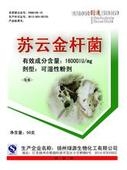
In-PharmaTechnologist.com The Form 483 and warning letter said the FDA's inspectors found the bacterium Bacillus thuringiensis and the microorganism Acinetobacter adioresislens in lots of APIs developed for the production of. The agency also found residues of the contaminants ...
BBC News ... naturally in soil and is authorised for the operation by Natural England, the government's advisor on the natural environment. Report sightings. The Fores...
Napa Valley Register For example, BT-corn was engineered to produce bacillus thuringiensis (BT) pesticide from every cell and is itself a registered pesticide with the Environmental Protection Agency. None of this sounds healthy for either the environment or me. So, as I ... and more »
Mother Earth News When numerous small hornworms are found, you can use Bt ( Bacillus thuringiensis ) or spinosad to kill them. Gardeners who grow plenty of flowers and herbs to attract beneficial insects report having fewer problems with tomato hornworms. Allowing wasps ...
Mother Earth News Bacillus thuringiensis kurstaki (Btk) gives excellent control of leaf-eating caterpillars such as cabbage worms and tomato hornworms, but has no activity against insects that do not eat treated leaves. After the insects eat the bacteria, their guts ... and more »
The Daily News Online Spinosad insecticide is based on a compound found in the bacterial species Saccharopolyspora spinosa (S. spinosa). Spinosad has a broad-spectrum of activity against many of the worst vegetable pests, but spares most beneficials. However it is highly ... and more »
The Guardian The pesticide is a widely-used toxin produced by a bacteria that occurs naturally in soil called Bacillus thuringiensis (Bt). The site is home to a number of rare butterfly species that will potentially be hit by the spraying, including the silver ...