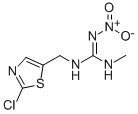
PR Newswire UK (press release) Products containing one or more of the three active ingredients imidacloprid , thiamethoxam and clothianidin may no longer be applied from November 30th 2013 in domestic and allotment gardens across the entire European Union. The sale of these products ... and more »
FoodNavigator.com Three of these pesticides , known as neonicotinoid pesticides (clothianidin, imidacloprid and thiamethoxam) are subject to an EU wide ban that is scheduled to begin no later than 1 July this year. EFSA has recently identified a fourth pesticide – BASF ... and more »
FarmersWeekly But after reviewing the study, EFSA said the weaknesses it had identified would not alter EU-wide restrictions on three neonicotinoids from December - clot...
Independent Observer Tests by Agri-Food Canada of the insect pathogenic fungus, Metarhizium anisopliae strain F52 (commercialized in the U.S.), have resulted in increased grain yields when used alone or in combination with clothianidin or spinosad . The increase in yield ...
DeHavilland (press release) (subscription) Given these weaknesses, the Authority considers that the study does not affect the conclusions reached by EFSA regarding risks for bees related to the use of the neonicotinoid pesticides thiamethoxam, clothianidin and imidacloprid, published in January ...
agprofessional.com Given these weaknesses, the Authority considers that the study does not affect the conclusions reached by EFSA regarding risks for bees related to the...
PublicServiceEurope.com This week is the second European Bee Health Week, dubbed BeeODiversity with a conference in the European Parliament and a fancy exposition outsid...
Teatro Naturale ... project, as well as data from studies, research and monitoring activities that were considered relevant. In January 2013, EFSA published risk assessments examining the effects on bees of the neonicotinoids clothianidin , imidacloprid and thiamethoxam.
Irish Times The commission justified its action on the basis of a European Food Safety Authority report that identified a “high acute risk” to honeybees from three of the most widely used neonicotinoid-based pesticides: Imidacloprid, Clothianidin and Thiamethoxam.